
Is a Master Plant or Ayahuasca Dieta Right for You?
- Marije Van Neck

- Jan 7
- 7 min read
A Grounded Guide to Master Plant and Ayahuasca Dieta
Introduction
Many people feel drawn to the idea of a dieta long before they can clearly explain why.
For some, the call appears after powerful ceremonies. For others, it arises quietly, without images, visions, or dramatic signs. Sometimes it comes during periods of transition,
burnout, loss, or a deep inner longing for clarity and truth.
This guide is not here to persuade you to do a dieta.
It is here to help you slow down, listen honestly, and discern whether a master plant dieta or ayahuasca dieta is truly aligned for you at this moment in your life.
Because with traditional master plant dietas, readiness and timing matter just as much as the call itself.
A Note From Me
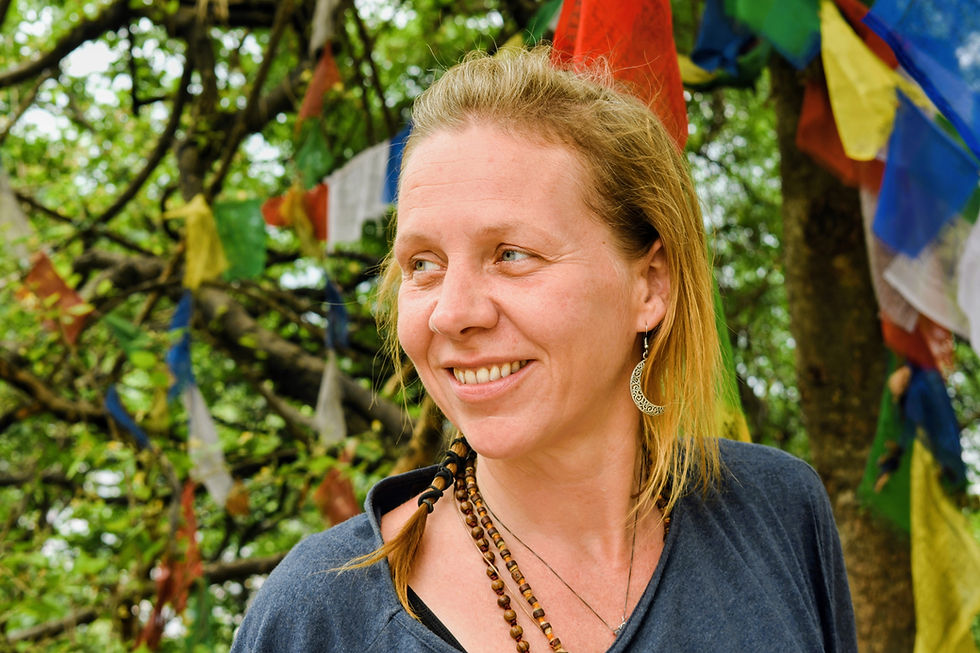
If you are reading this because you are considering working with me, I want to name something clearly.
I do not guide people into dieta because it sounds spiritual or impressive. I guide people who feel a sincere call, and who are willing to meet the discipline, simplicity, and responsibility that a master plant or ayahuasca dieta requires.
My role is not to convince you to go deeper, but to help you discern when and how depth is truly supportive. Sometimes that leads to a dieta. Sometimes it leads to waiting, integrating, or choosing a different form of support first.
This blog is part of that discernment process.
What Is a Dieta, Really?
(Understanding the foundations of a master plant and ayahuasca dieta) A master plant or ayahuasca dieta is a traditional plant medicine practice rooted in simplicity, discipline, and relationship.
Unlike retreats or ceremony-focused experiences, a dieta is not about stimulation, catharsis, or peak states. It is about removing what distracts, so that something more subtle, honest, and enduring can emerge.
A dieta typically involves:
• Dietary and energetic restrictions
Food is intentionally simple and limited. This is not about deprivation, but about reducing physical and energetic noise. As the body becomes cleaner and quieter, sensitivity increases and the communication with the plant deepens.
• Limited social interaction
Silence and reduced contact with others interrupt habitual ways of defining ourselves through conversation, validation, or distraction. Without this constant reflection, deeper layers of the psyche naturally surface.
• Reduced sensory input
Less stimulation — fewer sounds, images, and activities, allows awareness to turn inward. What is normally drowned out by daily life becomes visible.
• Commitment to structure and boundaries
Clear rules and guidelines are a central part of dieta. They are not meant to restrict your freedom, but to create a stable container that protects your nervous system and the integrity of the work.
• A focused relationship with one plant (or a small number of plants)
At the heart of dieta is relationship. Rather than moving between many medicines, attention is placed on learning to listen to one plant deeply, over time.
The purpose of a dieta is not intensity, but clarity.
Many people are surprised to discover that dieta is often quiet, subtle, and confronting, not because dramatic things happen, but because so much is taken away.
Why People Feel the Call to Dieta
People feel drawn to dieta for many different reasons, such as:
• A desire to deepen an existing plant medicine path
After ceremonies or retreats, some people sense that the work is incomplete. Dieta offers depth through consistency, restraint, and long-term relationship rather than repeated peak experiences.
• A need for clarity after confusion or overwhelm
When life feels fragmented or noisy, dieta can create the conditions for inner coherence and direction to re-emerge.
• A wish to strengthen discipline and self-responsibility
Dieta often attracts those who feel ready to take responsibility for their healing, rather than searching for external solutions or constant guidance.
• A longing to reconnect with intuition or inner guidance
As external input decreases, intuition often becomes clearer and more trustworthy.
A genuine call to dieta usually does not feel dramatic or urgent.
It often feels:
• Persistent but calm – it keeps returning without demanding immediate action
• Grounded rather than emotional – sober, steady, and clear
• Quiet rather than exciting – more about seriousness than thrill
If the call feels rushed, pressured, or fueled by comparison, it is often wise to pause.
Is a Dieta Right for You? Signs of Readiness
A dieta may be aligned for you if several of the following resonate.
1. You Feel a Steady Pull, Not Urgency
Readiness often sounds like:
• “This keeps returning.”
• “I don’t need to rush, but I am listening.”
• “I’m not trying to prove anything.”
This kind of pull feels patient and spacious.
Urgency, on the other hand, often comes from fear, comparison, or the belief that something must happen now in order to be okay.
2. You Are Willing to Follow Structure
A master plant dieta requires:
• Respect for guidelines
• Willingness to limit comfort and distraction
• Commitment even when the process feels boring, uncomfortable, or unclear
Structure in dieta is not meant to control you. It exists to hold you.
If structure feels supportive rather than oppressive, this is an important sign of readiness.
3. You Are Not Looking for a Shortcut
Dieta does not bypass:
• Emotional work
• Responsibility
• Integration into daily life
If you are seeking something that will fix you, rescue you, or quickly remove discomfort, dieta may feel disappointing or overwhelming.
The medicine works through presence, not escape.
4. You Have Capacity for Integration
The dieta itself is only part of the journey.
Integration requires:
• Time and space after the dieta
• Willingness to reflect honestly
• Readiness to make changes in daily life
• Grounding practices and support systems
A key question to ask yourself is:
What space do I have after the dieta to integrate what arises?
When It May Be Wiser to Wait
Waiting does not mean the call is wrong
.
Often, it simply means the timing is still unfolding.
A dieta may not be supportive right now if:
• You are in acute emotional or psychological crisis
• You feel destabilized, dissociated, or unsafe in your body
• You are avoiding responsibilities in daily life
• You feel pressured to “go deeper” than feels safe
• You struggle to respect boundaries or restrictions
In these cases, grounding practices, therapy, integration work, or nervous system support may be the most appropriate next steps.
These are not lesser paths, they are often the preparation that allows dieta to be held safely later.
Dieta Is Not an Escape
One of the most important questions to ask yourself is:
Am I moving toward something, or away from something?
Dieta does not remove life’s challenges.
It often brings them into sharper focus.
If the intention is to escape pain, confusion, or responsibility, the medicine tends to amplify what is being avoided.
If the intention is to listen, learn, and take responsibility, dieta can be deeply supportive.
Intention vs Expectation
This distinction matters deeply in dieta work.
Expectation says:
• “This should heal me.”
• “This should give me answers.”
• “This should be profound.”
Intention says:
• “I am open to what arises.”
• “I am willing to be changed in ways I cannot predict.”
• “I trust the process without trying to control it.”
Dieta responds to intention, not demand.
The Role of Ayahuasca Within a Dieta
Ayahuasca ceremonies may be included within a dieta, but they are not the center of the work.
Within a dieta context, ayahuasca often:
• Works more subtly
• Supports clarity rather than intensity
• Reflects the restraint and discipline of the dieta itself
Much of the deeper work happens between ceremonies, in silence, simplicity, routine, and daily presence.
Why Discernment Matters
Not every call is meant to be answered immediately.
Discernment protects:
• Your nervous system
• The integrity of the medicine
• The depth and sustainability of the work
Honest conversations before entering a dieta, including conversations that end in “not now” , are an act of respect toward yourself and the plants.
Grounding Reflection Questions
You may want to sit with these slowly, over time:
• What am I hoping dieta will give me?
• What am I willing to give in return?
• What parts of my life may need to change afterward?
• Am I prepared to meet myself without distraction?
• If I waited six months, would the call still be there?
There is no rush to answer.
Closing Thoughts
A master plant or ayahuasca dieta is not a badge of depth, purity, or spiritual commitment.
It is a responsibility.
When entered with honesty, humility, and preparation, it can support profound clarity and long-term transformation.
When entered prematurely or for the wrong reasons, it can create confusion or instability.
Listening carefully, to yourself, your body, and wise guidance, is part of the medicine path.
A Soft Invitation
If you feel drawn to dieta and would like to explore whether this path is truly aligned for you at this time, you are welcome to reach out for a grounded, honest conversation.
This is not a sales call and there is no pressure to commit. It is a space for discernment, to look together at your intentions, your readiness, and what kind of support would be most appropriate right now.
Sometimes that conversation leads to a master plant or ayahuasca dieta. Sometimes it leads to preparation, integration, or a clear sense that waiting is the wisest choice.
You can contact me to explore your questions in a calm, respectful, and grounded way.
With all my love,
Marije
Frequently asked Questions About Master Plant & Ayahuasca Dieta
Do I need prior experience with plant medicine to do a dieta?
Not necessarily. Some people come to dieta after years of ceremony work, others feel called without much experience. What matters most is emotional stability, capacity for self-reflection, and willingness to follow structure.
How long does a master plant dieta usually last?
Dietas can vary in length, from shorter introductory dietas to longer, deeper processes. The appropriate length depends on the plant, your intention, and your level of readiness.
Is an ayahuasca dieta intense or overwhelming?
A dieta is often quieter and more subtle than people expect. While it can be confronting, the work unfolds gradually through simplicity, discipline, and presence rather than constant intensity.
Can a dieta replace therapy or integration work?
No. A dieta does not replace therapy or psychological support. In many cases, therapy and integration work are important complements before and after a dieta.
How do I know if now is the right time for me?
This is one of the most important questions. A sincere call usually feels calm and persistent rather than urgent. Honest conversation and self-inquiry are essential parts of discerning timing.


Comments